THEDECKWALL

Deck shapes and sizes

How wide is a skateboard deck, and why? Decks went from 10″ planks in the 1980s to narrow popsicles in the 90s and back out again. Here's how shapes and sizes have changed, from the 23,443 decks in the archive with their width recorded.

Typical width by year

The line is the median width of decks made that year; the shaded band covers the middle half. Original decks only, so modern reissues of 80s shapes don't skew it. 1985: 10″ · narrowest 1994: 7.5″ · 2026: 8.375″.

7.5″8″8.5″9″9.5″10″1990200020102020
The numbers
YearTypicalMost decksDecks
198510″10–10″42
198710″9.5–10″13
198810″9–10″18
198910″10–10.125″19
199010″9.5–10″84
19919.75″9.5–10″99
19928.38″8.25–8.63″37
19938″7–8″134
19947.5″7–7.63″168
19957.62″7.5–7.75″214
19967.875″7.75–8″384
19978″7.87–8.19″471
19987.88″7.75–8″474
19997.75″7.625–8″305
20007.75″7.56–7.88″345
20017.7″7.5–7.875″799
20027.625″7.5–7.75″685
20037.625″7.5–7.75″1013
20047.625″7.5–7.75″624
20057.68″7.5–7.8″407
20067.625″7.5–7.75″674
20077.63″7.5–7.8″259
20087.75″7.6–7.875″638
20098″7.75–8.125″212
20108″7.8–8.25″340
20118″7.75–8.12″443
20128″7.9–8.25″172
20138.25″8–8.45″61
20148.5″8–9.625″65
20158.5″8.25–9.58″224
20168.25″8–9″149
20178.38″8.125–9″184
20188.25″8–8.5″58
20198.25″8–8.5″900
20208.3″8.25–8.5″790
20218.25″8.125–8.5″1171
20228.25″8.125–8.5″1322
20238.25″8.125–8.5″1336
20248.375″8.25–8.51″1763
20258.4″8.25–8.75″1982
20268.375″8.25–8.625″3163

The shapes

Old school

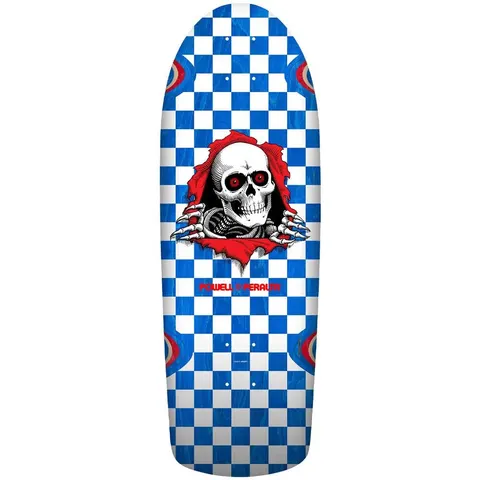
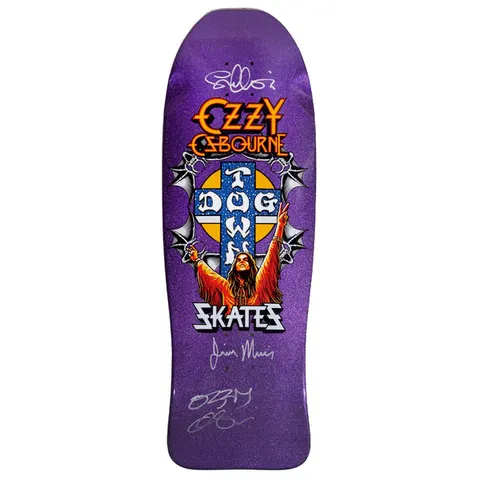
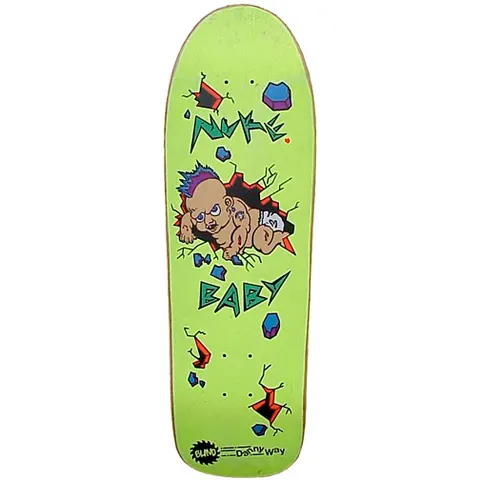
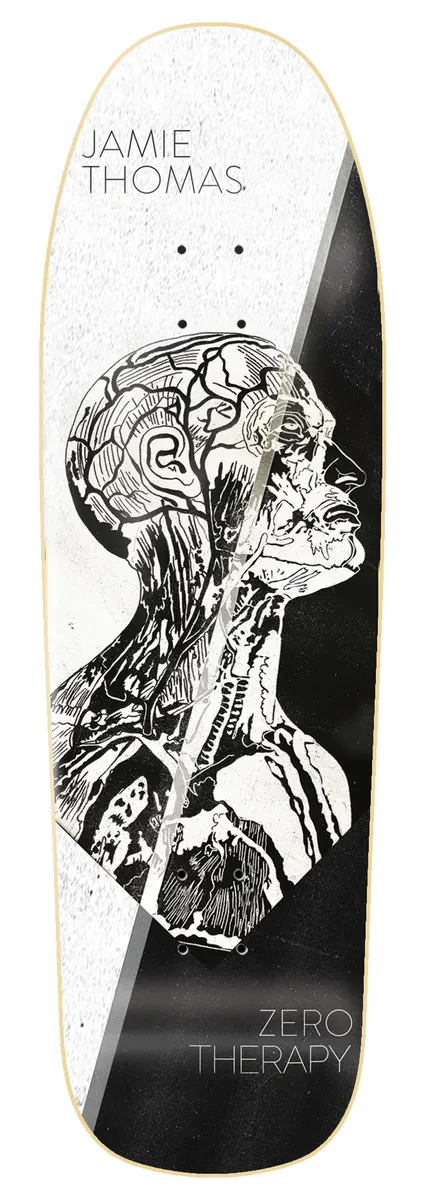
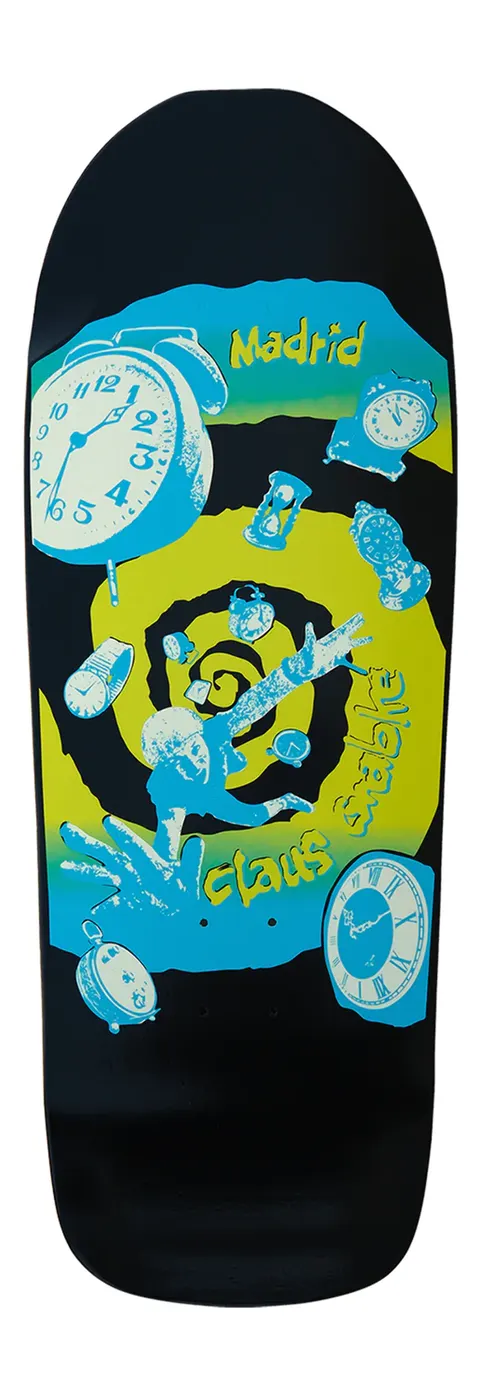
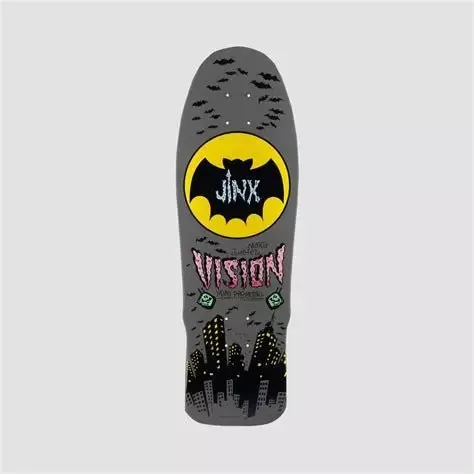
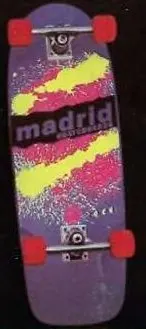
The wide boards of the 1980s, made for pools, ramps and the first street skating: usually 9.5–10.5″ wide, with a big kicktail, little or no nose, mellow concave and room for rails and big graphics. They never really went away, and reissues and new old-school shapes are everywhere again.

Usually 8.25–10.25″ wide, 30–32″ long · mostly 1989–2026.
Browse 1,461 old school decks →

Slalom

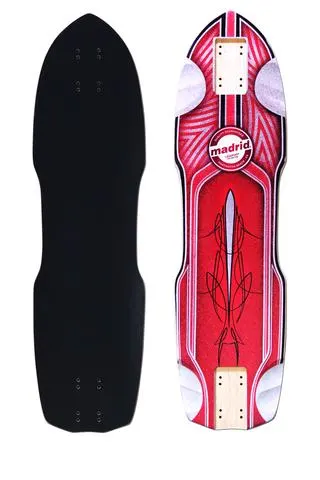
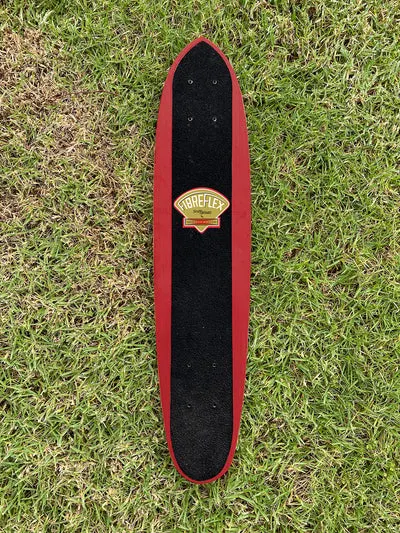
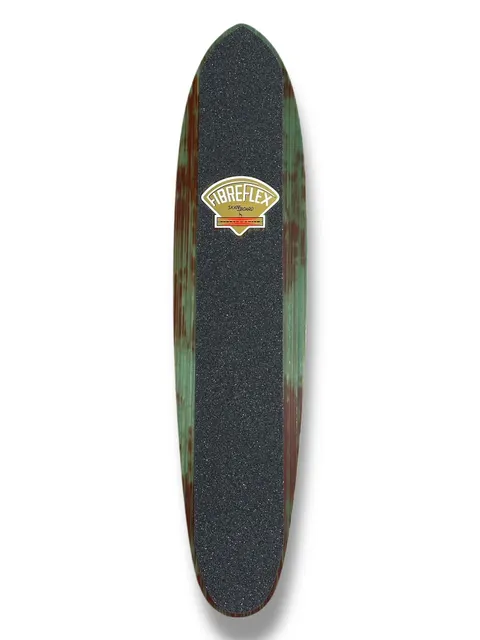
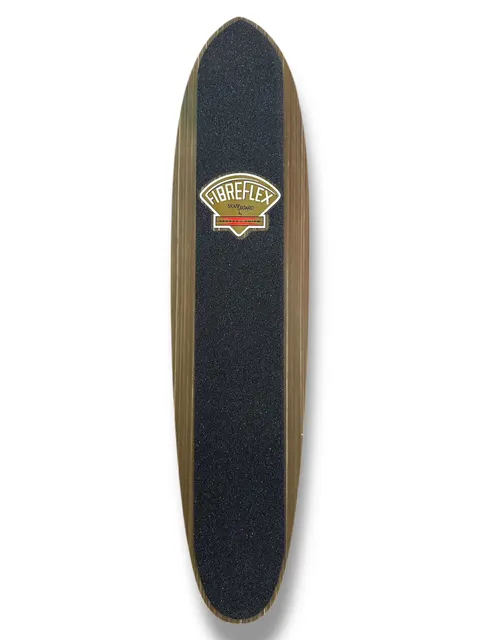
Narrow, stiff boards from the 1970s racing and slalom scene, built for speed and grip rather than tricks. Many have no kicktail at all.

Usually 8–8″ wide, 28–28″ long · mostly 2019–2025.

Browse 31 slalom decks →

Popsicle

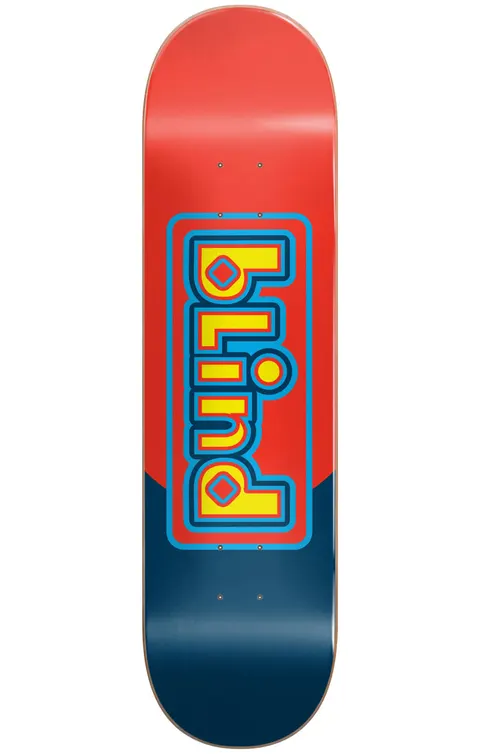
The symmetrical double-kick shape that took over in the early 1990s as street skating grew: nose and tail almost the same, so you can skate either way round. Widths shrank to around 7.5″ by the mid-90s for flip tricks, then crept back to the 8–8.5″ most skaters ride today.

Usually 7.5–8.5″ wide, 31.25–32.25″ long · mostly 1997–2026.

Browse 7,699 popsicle decks →

Shaped

Modern decks with a shaped outline: wider tails, pointed or squared-off noses, fish tails and nods to the old-school era. Popular since the 2010s for bowls, transition and skaters who want something different.

Usually 8.3–9.5″ wide, 31.5–32.5″ long · mostly 2019–2026.

Browse 213 shaped decks →

Cruiser

Boards built for getting around rather than tricks: usually shorter or wider, often with a kicktail only, and mostly sold as completes with soft wheels.

Usually 7.75–9.5″ wide, 28.125–32.25″ long · mostly 2019–2026.

Browse 124 cruiser decks →

Mini

Smaller decks for younger skaters, usually around 7–7.5″ wide and 28–30″ long, so the board fits their feet and they can control it.

Usually 7–9.875″ wide, 27–31.95″ long · mostly 2001–2026.

Browse 284 mini decks →

What size deck should I get?

There's no wrong answer, and feel matters more than any chart: stand on a few in a shop if you can. As a rule of thumb, width follows what you skate and the size of your feet.

Under 7.75″
Younger skaters and small feet, or technical street skating where a light, narrow board flips fast.
7.75–8.25″
Street skating and most people's starting point. Easy to flip, still stable.
8.25–8.75″
All-round: parks, ledges, ramps. A good choice for bigger feet (UK 9 and up).
8.75–9.5″
Bowls, ramps and transition, or anyone who wants more board under them.
9.5″ and over
Old-school shapes, pools and cruising.

Length and wheelbase (the distance between the inner truck holes) matter too: a longer wheelbase is steadier at speed, a shorter one turns and flips quicker. Find a deck's measurements on its page, or filter the archive by width.